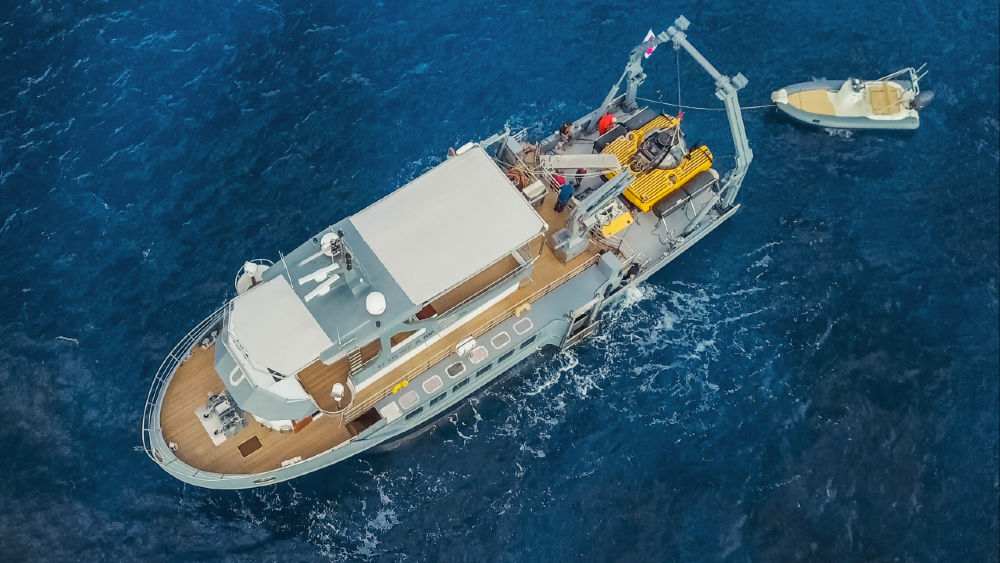
Boats are among humanity’s oldest and most adaptable tools — simple enough that early humans could fashion them from hollowed logs, yet sophisticated enough today to cross oceans, support global trade, and power recreational lifestyles. This article explores boats across history, design, propulsion, use-cases, maintenance, safety, and the future of small and large craft. Whether you’re a curious reader, a prospective boat owner, or someone who just loves the smell of sea salt, you’ll find useful and interesting information here.
A short history: from dugouts to composite catamarans
Boats probably predate much of recorded history. Early humans used rafts and dugout canoes for fishing and short coastal travel. As civilizations developed, so did boatbuilding: the Egyptians mastered reed and wooden boats for the Nile, the Phoenicians and Greeks built seafaring hulls for trade and war, and the Vikings engineered longships suited for speed and beach landings.
Technological leaps followed: metal fastenings and planking techniques in the Middle Ages; the Age of Sail’s tall-masted ships for global trade and exploration; steam power in the 19th century; and, in the 20th and 21st centuries, steel, aluminum, fiberglass, and composite materials reshaped what boats can do.
Types of boats (and why shape matters)
“Boat” covers a huge variety of craft. Here are the major categories and what they’re optimized for:
-
Dinghies & tenders: Small, usually open, lightweight craft for short trips or as a ship’s tender. Simple, inexpensive, and easy to store.
-
Fishing boats: From small skiffs to larger trawlers — designed for stability, deck space, and storage for gear and catch.
-
Sailboats: Ranging from single-person dinghies to ocean-crossing yachts. Hull shape, keel type, and rigging define performance and handling.
-
Motorboats: Runabouts, cabin cruisers, and sportboats. Designed for speed, comfort, or both.
-
Workboats & commercial vessels: Ferries, tugboats, barges, and offshore supply vessels — built for strength, payload, and durability.
-
High-performance & specialty craft: Racing sailboats, hydroplanes, catamarans, and expedition tenders. Often use advanced materials and engineering for speed and efficiency.
-
Inflatables & RIBs (rigid inflatable boats): Lightweight, buoyant, and reliable — popular for rescue, coaching, and leisure.
Hull shape (displacement, planing, semi-displacement), beam (width), draft (depth below water), and structural design all influence stability, speed, handling, and the conditions a boat can safely handle.
Materials and construction: the building blocks
Boatbuilding materials have evolved dramatically:
-
Wood: Traditional, beautiful, and repairable. Wooden boats require maintenance but are prized for aesthetics and classic appeal.
-
Steel: Heavy and strong — used for large commercial vessels and steel yachts. Excellent durability; needs corrosion control.
-
Aluminum: Lightweight, corrosion-resistant, and used for workboats, aluminum sailboats, and many modern hulls.
-
Fiberglass (GRP): Dominant in recreational boatbuilding for decades. Strong, relatively cheap to produce in molds, and low maintenance.
-
Composites (carbon fiber, Kevlar): High strength-to-weight ratios used in racing boats and high-performance craft. Expensive but performance-enhancing.
Construction techniques — monocoque molds, stitch-and-glue for small builders, or welded plates for metal hulls — affect cost, repairability, and longevity.
Propulsion: wind, motor, and the emerging electric era
Historically, wind (sails) and human power (oars) dominated. Internal combustion engines changed that in the 20th century, and today most small- to medium-sized boats use gasoline or diesel outboards/inboards.
Key propulsion choices:
-
Outboard motors: Versatile, easy to replace, and common on small craft.
-
Inboard engines: Better weight distribution for larger boats and yachts, often diesel for efficiency.
-
Sail power: Renewable, quiet, and efficient for long-range travel when time isn’t critical.
-
Hybrid and electric propulsion: Rapidly gaining traction in leisure boating and ferries. Electric drives offer quiet operation, low maintenance, and zero local emissions — but energy storage (battery weight and range) is a current limitation.
-
Jet drives: Useful in shallow waters and personal watercraft; they reduce propeller hazards but have different efficiency characteristics.
Choosing propulsion depends on use-case: short high-speed runs favor gasoline outboards; long-distance voyaging favors diesel inboards; eco-conscious and urban boating increasingly points toward electric and hybrid systems.
Navigation, electronics, and safety equipment
Modern boats are equipped with several layers of tech, from simple compasses to integrated systems:
-
Navigation: GPS chartplotters, nautical charts, and radar help avoid hazards and plan routes.
-
Communication: VHF radio remains essential for coastal boating; satellite communications and AIS (Automatic Identification System) are important for offshore and commercial vessels.
-
Safety gear: Life jackets, flares, EPIRBs (Emergency Position-Indicating Radio Beacons), fire extinguishers, bilge pumps, and first-aid kits are non-negotiable.
-
Automation & sensors: Depth sounders, wind instruments, and engine monitoring increase safety and reduce workload.
-
Autonomy: Commercial shipping and research vessels are experimenting with autonomous navigation systems; recreational autonomous boats are emerging but not yet widespread.
Safety culture — training, drills, weather awareness, and sober operation — is as important as equipment.
Maintenance: keeping a boat happy and seaworthy
Boat maintenance varies by material and use but shares core tasks:
-
Hull care: Anti-fouling paint (for displacement hulls), cleaning, and checking for osmosis or corrosion.
-
Engine service: Regular oil changes, winterization in cold climates, and periodic inspections of belts, hoses, and cooling systems.
-
Electrical systems: Battery health, wiring insulation, and charging systems (alternators, shore power) must be checked regularly.
-
Rigging & sails (for sailboats): Inspection for chafe, tensioning, and periodic sail servicing or replacement.
-
Safety checks: Confirm expiry dates on flares, test bilge pumps, and update safety gear.
A proactive maintenance schedule reduces costs and prevents downtime. Documentation — a logbook — is invaluable for tracking service history and resale value.
Use cases: why people choose boats
Boats serve many human needs and desires:
-
Transport & commerce: Ferries, freighters, and barges move people and goods efficiently where roads don’t reach.
-
Fishing & food supply: Small fisheries and industrial fleets underpin food systems, particularly in coastal communities.
-
Recreation: Angling, cruising, watersports, and day trips. Boating can be social, sporty, or meditative.
-
Exploration & research: From oceanography to wildlife surveys, boats enable scientific investigation of marine ecosystems.
-
Defense & rescue: Military and coast guard craft protect maritime interests and save lives.
Each use imposes design priorities: payload for commercial boats, comfort and amenities for cruisers, or speed and agility for performance craft.
Buying a boat: practical pointers
If you’re thinking about purchasing a boat, consider these essentials:
-
Define purpose: Fishing, day trips, overnight cruising, or long passages? Your purpose narrows choices more than budget alone.
-
New vs used: New boats offer warranties and modern features; used boats often give better value but require careful inspection.
-
Survey & sea trial: Always hire a professional surveyor for used boats and do a sea trial to test handling, engine performance, and comfort.
-
Operating costs: Insurance, docking/berthing fees, fuel, maintenance, and winter storage can add up — sometimes exceeding purchase cost over a year.
-
Training: Take boating safety and navigation courses. Familiarity with local regulations and license requirements is crucial.
A clear budget and honest assessment of your boating goals will help you avoid buyer’s remorse.
Environmental considerations and sustainability
Boating has environmental impacts — fuel emissions, antifouling chemicals, noise pollution, and wildlife disturbance. The sector is responding:
-
Cleaner fuels & engines: More efficient engines and low-sulfur fuels reduce emissions.
-
Electric boats: Ideal for lakes, rivers, and short coastal trips; ferries and day-cruisers are early adopters.
-
Eco-conscious design: Hull forms that reduce drag and alternative propulsion reduce fuel use.
-
Responsible behavior: Anchoring practices that avoid damaging seagrass beds, following no-wake zones, and using eco-friendly cleaning products make a difference.
As with all transport sectors, incremental improvements and behavior changes are both required.
The future: smarter, cleaner, and more connected
Boating is poised for change. Expect to see:
-
Wider electrification for leisure craft and short-haul ferries as battery energy density improves.
-
Hybrid systems combining the range of combustion engines with the quiet efficiency of electric drives.
-
Autonomy and advanced navigation for certain commercial applications, improving safety and efficiency.
-
Lightweight composites enabling faster, more efficient hulls.
-
Integrated connectivity for remote monitoring, predictive maintenance, and enhanced onboard comfort.
These trends will reshape how we buy, use, and think about boats in the coming decades.
Conclusion
Boats are more than machines — they’re tools that connect communities, enable livelihoods, and offer experiences unique to water. Whether you’re drawn to the romance of sailing, the practicality of a workboat, or the thrill of speed on a motorboat, understanding design, safety, maintenance, and environmental impact will make your time on the water safer and more rewarding. The future promises cleaner propulsion, smarter systems, and new possibilities for exploration — but the fundamental appeal remains the same: the quiet hum of a hull passing through water and the open horizon ahead.